


Ember - Play Games. Win Big.
4.72.70K Reviews
App Specs
- Version
- 38.0
- Updated On
- License
- Free
- Downloads
- 1,000,000+
- Developer
- Ember Fund Inc
- Categories
- Finance
- Platform
- Android, iOS
Screenshots
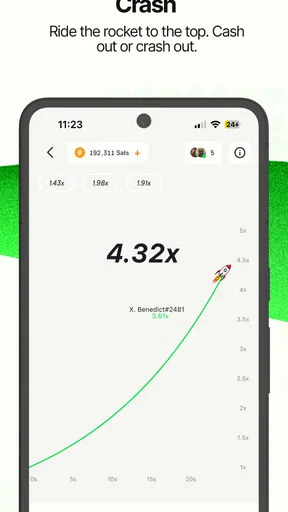
 Analysis by AppCompare
I usually judge a rewards-focused gaming app by whether the incentive adds a little excitement without getting in the way of playing. Ember - Play Games. Win Big makes that promise its central appeal: games are the activity, while points and the possibility of rewards give each session an extra goal. That can be a fun change from opening a game simply to pass a few minutes, but I’d treat the rewards as a bonus rather than a reason to expect a particular outcome.
That distinction matters because Ember sits between a regular mobile game and a finance app. Ember Fund Inc developed it, and its finance classification is a reminder to approach the rewards side with a little more care than I would bring to a stand-alone puzzle game. It is free to download, with optional in-app purchases ranging from $0.99 to $99.99 per item. I’d look at any purchase as a separate spending decision, not as a shortcut to winning or a necessary cost of trying the games.
Why the rewards change the feel of play
I find the reward layer most useful when it helps me choose how to spend a spare moment, rather than dictating how long I play. Before starting, I’d check what a selected activity counts toward and decide how much time I actually want to give it. That simple pause keeps the incentive in perspective and makes it easier to tell whether Ember’s approach suits my everyday gaming habits.
A small goal can make a short session feel different
The most interesting part of Ember is not simply that it puts games together in one place; it is that it gives play a reward-oriented frame. In a typical casual game, I might finish a round and move on because I have a spare moment. Here, collecting points and seeing the possibility of prizes can make that same spare moment feel more purposeful. I found that most appealing when I wanted a light distraction with a bit of friendly competition, rather than a deep game to master.
There is a trade-off, though. Once a reward becomes part of the motivation, it is easy to focus on the prize and forget to ask whether the game itself is enjoyable. I’d choose games I actually like first, then let points be an extra. That keeps the experience pleasant even when a session does not deliver the result I hoped for, and it avoids turning a casual pastime into a task I feel obliged to complete.
Getting started and finding a useful rhythm
The first thing I noticed about Ember is how easy it is to set up. I mean, who has the time to go through endless sign-ups, right? With a quick download and a couple of taps, I was all set to dive into the world of games. The interface is pretty slick, with vibrant colors and a layout that's super easy to navigate. Even if you're not tech-savvy, you’ll find your way around in no time.
For a new user, I’d suggest taking a moment to understand how the app presents its games and rewards before settling into a routine. That is a more useful first step than immediately trying to optimize every session. Check the instructions attached to the activity you choose, make sure you understand what counts toward points, and keep your expectations modest while you learn the flow. This is especially sensible in a rewards-based app: knowing the rules of a particular challenge helps you decide whether the time it asks for is worthwhile.
Worth Reading Before You Choose

EA SPORTS FC Mobile 26 Is a Bigger Football Game, but It Takes Time

Flipboard Shows What News Apps Must Do Beyond the Feed

Switching to Android Auto Means Rethinking Your Driving Routine

Google Calendar Makes a Crowded Week Easier to Manage

Ludo King Makes the Most of the Minutes Between Plans

Baby Panda World Brings Quick Play to Modern Phones, but Its Game Library Feels Busy
A realistic use case is a short break between errands. I might open Ember while waiting, choose a game that suits the amount of time I have, and stop when the break is over. I would not plan a day around reaching a reward target, because that changes the app from a convenient diversion into an obligation. The better rhythm is to play when I would have played something anyway, rather than stretching a session just because points are available.
Game variety, with a reason to choose carefully
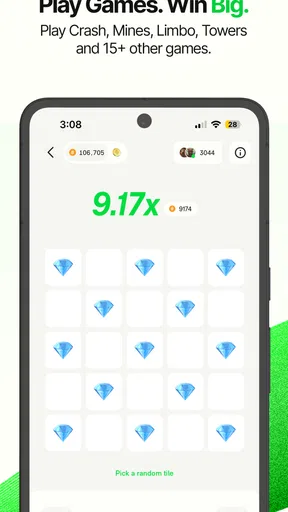
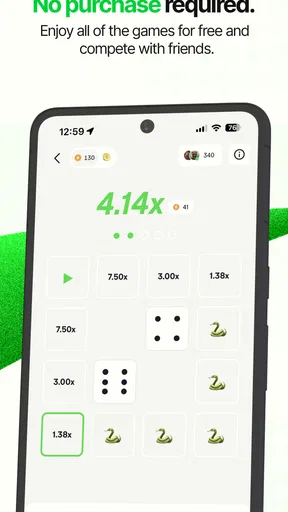
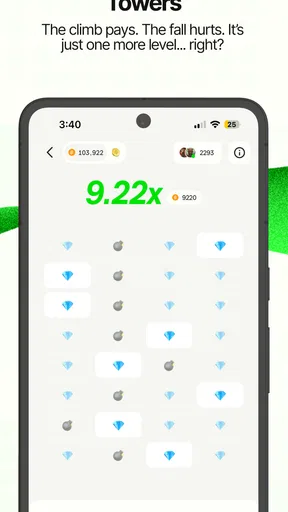
Now, let's talk about what really matters: the games. Ember offers a wide variety of games, from puzzles to action-packed challenges. I was pleasantly surprised by the range available. It's not just about quantity, though. The quality of the games is top-notch. Whether you’re looking to kill some time or get seriously competitive, there’s something here for you.
Variety is most useful when it lets me match a game to my mood and attention span. A puzzle can suit a quieter moment, while an action challenge may be a better fit when I want faster decisions. I would not assume that every option will appeal equally to every player, though. If one game feels more like work than entertainment, switching to another is a better choice than forcing myself through it for the sake of a possible reward.
That is also where Ember differs from the usual alternatives. A single-purpose mobile game can offer a more focused experience and a clear sense of progression inside that one title. A general game library, meanwhile, may prioritize browsing and discovery without putting rewards at the center. Ember’s particular appeal is the mix: a selection of games presented alongside points, prizes, and competitive activity. If I mainly want one polished game to follow for months, I would probably choose that game directly. If I want several kinds of play with an incentive layered on top, Ember makes more sense.
"The app brings a fresh twist to mobile gaming, keeping you engaged with its rewards system."
Rewards are motivating, but they need realistic expectations
Alright, here's the kicker. The app isn't called "Win Big" for nothing. As you play, you collect points that can be redeemed for real rewards. Yep, you heard me right. It’s not just about the bragging rights; there are actual prizes at stake. The thrill of competing for something tangible adds a whole new layer to the gaming experience. It kept me on my toes, for sure!
I would still separate three ideas that can blur together: playing, earning points, and receiving a reward. The first is the part I can control directly. The second depends on the rules and progress attached to the activity. The last should be treated as a possibility, not a promise that every player will get a prize. Before chasing any particular outcome, I’d read the relevant details in the app and make sure the effort makes sense to me even if I do not end up with the reward I wanted.
One practical tip is to set a personal stopping point before starting a session. That could simply be the end of a break or the point when the game stops being fun. A clear limit helps keep the rewards in perspective, particularly if competition makes it tempting to continue. The app’s finance category and optional purchases make that habit more important: free access does not mean I should spend money impulsively, and buying something should never be treated as a guaranteed route to a prize.
Someone deciding whether to pay may reasonably wonder if spending is essential. My approach would be to try the free experience first and only consider an in-app purchase if I understand what it gives me and genuinely want it for its own sake. The listed purchase range runs from $0.99 to $99.99 per item, so I would check the exact item and cost before confirming anything. I would not buy an item to recover time already spent or because I felt close to a reward; that is precisely when it is worth pausing.
Competition and community in everyday use
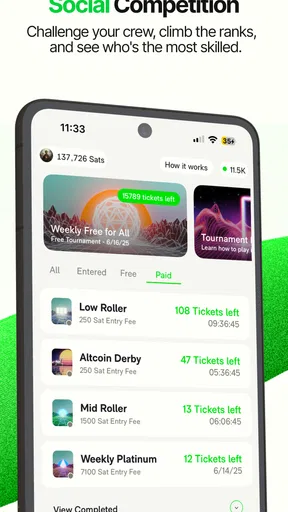
Let's chat about the overall user experience. Navigation is a breeze, and the app is relatively bug-free, which is a huge plus in my books. One thing I really appreciated is the community aspect. You can connect with other players, join leagues, and even participate in tournaments. It’s like having a mini gaming community right in your pocket.
Leagues and tournaments can add a social reason to return, but they also change the pace. If I am playing mainly to relax, a competitive event may feel like pressure rather than fun. I’d treat those options as something to dip into when I want a challenge, not as a daily obligation. A useful way to test the fit is to try one competitive activity and notice whether it makes the game more enjoyable or merely makes me check the app more often.
For someone who prefers solitary play, the community features may not be a major draw, and that is fine. Ember can still make sense as a way to sample different games and pursue points at my own pace. For a player who enjoys comparing progress with others, the social layer may be the part that keeps the experience fresh. The choice depends less on whether competition is objectively better and more on whether it suits the kind of break I want.
What to check before making it a habit
Ember is free, but it is not automatically the right fit for every player. The Teen content rating makes it more appropriate for a teen audience than an app intended only for young children, and I would still encourage younger users to involve a parent or guardian when money or rewards are part of the conversation. Anyone considering purchases should understand what is being bought and set sensible limits, rather than treating the app’s title as a promise of earnings.
The app has an average rating of 4.6 from around 36,000 ratings, and it has been installed over a million times. Those figures suggest that many people have tried it, but they cannot tell me whether its specific games or competitive style will suit a particular person. I’d use them as background, then decide based on whether I enjoy the available play and am comfortable with the rewards structure.
Ember was released on January 24, 2019, and its current version is 38.0. It requires iOS 9 or later. That is useful to check before downloading on an older device, but compatibility alone does not settle whether it is a good choice. I would also think about how I use my phone: if I want one self-contained game that works as a focused hobby, a dedicated title may be a better match; if I like changing activities and want points and community competition in the same app, Ember’s approach is more distinctive.
Who is most likely to enjoy it?
So, is Ember worth the download? If you enjoy gaming and like the idea of winning cool prizes while you play, then absolutely. It's also a great way to unwind and connect with other gamers. Plus, the chance to win real rewards adds an exciting twist to the usual gaming routine.
I’d recommend it most to casual players who enjoy trying different kinds of games, appreciate a competitive nudge, and can keep rewards in the “nice extra” category. It is also a reasonable option for someone who likes the social side of leagues and tournaments but does not want every session to revolve around one long-form game. The strongest fit is a person who would still enjoy playing even when the reward is not the main event.
I would steer away from it if I wanted guaranteed returns, dislike competitive prompts, or tend to spend more when an app puts prizes in front of me. It is also not my first choice if I want a deep single-game experience with a carefully planned story or progression system. In those cases, a dedicated game or a more traditional game library is likely to feel clearer and less incentive-driven. The right choice is the one that fits how I already like to play, not the one with the most tempting possible outcome.
Overall, Ember - Play Games. Win Big is not just another gaming app; it's an exciting platform that offers much more than just entertainment. So, if you're up for some fun and the potential to snag some prizes, give it a go. Happy gaming!
Pros
- Engaging gameplay with frequent updates.
- User-friendly interface and easy navigation.
- Wide variety of games to choose from.
- Generous rewards and prizes offered.
- Minimal ads for an uninterrupted experience.
Cons
- Requires stable internet connection.
- Limited offline gaming options.
- Occasional in-app purchase prompts.
- Some games can be repetitive.
- Limited customer support availability.
FAQs for Ember - Play Games. Win Big.
What types of games are available on Ember?
Ember offers a diverse selection of games, ranging from casual puzzles to competitive strategy games. Users can explore various genres, ensuring there's something for everyone. Whether you're looking for a quick, fun distraction or a more in-depth gaming experience, Ember has options to suit your preferences.
How do I win rewards on Ember?
Winning rewards on Ember involves playing games and participating in challenges. The app features leaderboards and tournaments where players can compete for prizes. By achieving high scores or completing specific tasks, users can earn points or tokens that can be exchanged for rewards within the app.
Is Ember free to download and play?
Ember is free to download and offers a variety of games that can be played without any cost. However, the app may include optional in-app purchases for additional features or advantages in games. These purchases are not necessary to enjoy the full gaming experience but can enhance gameplay for those interested.
Are there any age restrictions for using Ember?
Yes, Ember is designed for users aged 13 and above. The app includes games and features that may not be suitable for younger audiences. Parents should review the content and settings to ensure they are comfortable with their child's use of the app, adhering to any relevant age restrictions.
Do I need an internet connection to play games on Ember?
While some games on Ember may be playable offline, many features, such as leaderboards, tournaments, and certain multiplayer games, require an internet connection. For the best experience, it's recommended to have a stable internet connection to access all the app's features and competitive elements.


